A twelve-month campaign timeline, built backwards from the doors opening
Gina Kay markets International Confex: 44 years old, ExCeL, an audience of event planners who know exactly what a badly run event looks like. She is a team of one. This is how the year is divided.
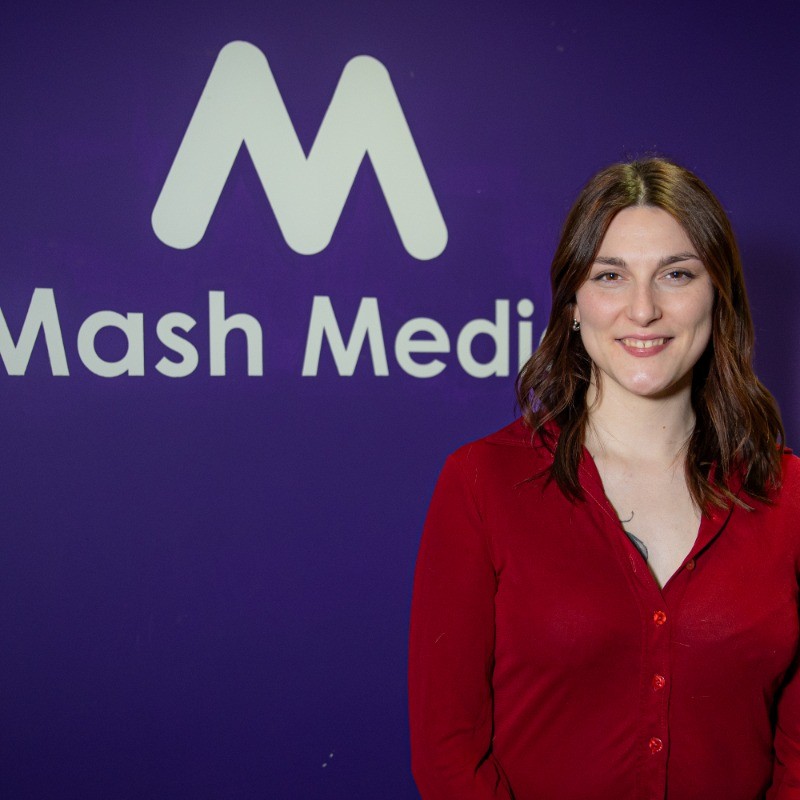
With Gina Kay, Marketing Manager, International Confex (Mash Media)
In conversation with Chris Wickson, ReelFlow · 9 min read
Gina Kay's campaign year does not start with a planning meeting. It starts the day after the previous show closes, and the ordering of the twelve months that follow is deliberate: what gets done in the quiet weeks, what waits for the run-up, and what the data says is worth doing at all.
The day after the doors shut, everything ships. Highlight video up, photo galleries up, next year's dates on the website, registration for 2027 open. Then the thank yous, to speakers, exhibitors, volunteers, everybody who makes it tick, and attendees, each one carrying an evaluation form, because everybody experiences the event differently. If somebody did not have a good time, Gina wants to know why, and wants it not to happen again.
The finding that changed the plan
Across 2023, 2024 and 2025 registration data, the date somebody registered had no real correlation with whether they turned up. What converts is the workflow of touch points after they register, not how early you caught them.
Late registration is not the problem everyone thinks it is
When Gina evaluated 2025 in order to plan 2026, she looked at the correlation between registration dates and conversion. Across the three post-Covid years, it barely mattered when people registered. They converted at roughly the same rate.
What converts, in her reading of the data, is everything that happens after the form is filled in. Speakers sharing that they are coming. Social proof: are their peers going to be there? Is there a venue or feature they have not seen before? It is what is on site that makes a person show up, not the date they decided.
The number of touches needed to get that registration has changed though. She puts it at roughly 20 to 30 to convert an attendee now. Not that long ago the average was around eight.
Hear it from Gina
On what the three years of registration data actually showed
The year, in blocks
01
Months 1–2 after the show
Post-Show
The two months after the show are the most underused period of the year. Organisers who treat this as downtime miss the highest-intent audience they will ever have: people who just attended and are still buzzing. Get highlights live the same day the show closes, push the feedback drive immediately, and start setting up next year while the momentum is there. Gina plans her entire twelve months in these first two months.
Post highlights the day the show closes
Your highest-reach content of the year. People are still buzzing, so post immediately, not next week. Get next year's dates and early-bird registration live the same day.
Push the feedback form immediately
Send evaluation forms to speakers, exhibitors, sponsors and attendees within 48 hours. Every stakeholder experiences the show differently and you need all perspectives while it is fresh.
Shout about the awards
If you have an awards ceremony, this is your moment: announce winners, post photos, celebrate publicly. It is the most shareable content of your year and sets the tone for next year's applications.
Deep-dive the data
Analyse registration dates against conversion rates, social performance, email click-throughs and website traffic. Build your ranked keep, evolve, drop list before you forget what actually happened.
Archive speakers, never delete
Move every speaker page into a permanent past speakers library. People search for keynotes all year, and may find your event for the first time through a bio page from four years ago. This is hidden SEO gold.
Set up CRM workflows for next year
Build the automations now: registration confirmations, the nurture sequences, and the separate paths for people who register by accident when they are actually exhibiting.
Put a see-you-next-year video on the homepage
An event director video celebrating the show just gone, live the day it closes. It captures early intent from attendees who are still buzzing: the easiest registrations you will ever get.
Ask for feedback on video, not just by email
A warm thank-you from the event director with a button through to the feedback form. Response rates run far higher than a plain email link, because it feels personal.
Publish an awards highlights reel
Show the room, the winners and the atmosphere. It is the most shareable content you have, and it builds credibility for next year's applications.
02
Months 10–6 before the show
Launch Campaign
The launch campaign kicks off around ten months out with the homepage going live for next year, core event information, key pages, and an ExProm push to fill the floor plan. Around 75 per cent of sponsors will roll over if you look after them, so the real effort is on the 25 per cent you need to replace and the exhibitors whose budgets or priorities have shifted.
Get the homepage live for next year
Core event information: dates, venue, key stats. The homepage video should be live with a multi-audience welcome. This is the foundation everything else builds on.
Launch exhibitor and sponsor pages
Why exhibit and why sponsor pages with audience data, floor plan and ROI information. The goal is filling outstanding floor plan space and replacing the sponsors who do not roll over.
Start the exhibitor outreach campaign
Monthly touchpoints with confirmed exhibitors. Get them to share video Q&As and stand previews on your channels. Their audiences become your audience.
Open register-your-interest for visitors
Do not wait for full registration to be ready. A soft interest capture now starts building your list, and the link updates to actual registration when VisProm goes live.
Bulk-film all your video content for the year
Book a half-day with seven or eight team members. Film your why attend, why exhibit, countdown videos and speaker intros in one session. This single session fuels the whole year.
Build sub-topic pages for each conference stream
Create dedicated pages for each major topic your event covers, with speakers, sessions and exhibitors per topic. This is how AI and Google surface you for niche searches.
03
Around 5 months before the show
VisProm
VisProm is when all attention turns to getting visitors registered. ExProm is largely done: you might have a couple of outstanding stands but nothing you are actively driving. The big moment within this phase is your agenda launch, whenever that happens for your show. The drive becomes educational: here is what is on, here are the speakers, here is why you should come.
Flip the homepage from interest to registration
The register-your-interest link becomes actual registration. Update all flows and calls to action. This is the signal that you are now actively selling to visitors.
Launch the agenda and build around it
Whenever your agenda is confirmed, and this varies massively by show, from six months to six weeks out, update the buttons to view the full agenda and make it the centrepiece of all comms.
Launch a What's New campaign
Around 70 per cent of visitor attraction each year is getting new people in. The other 30 per cent is converting returners, whose biggest objection is been there, done that. What's new for next year answers it directly.
Launch speaker graphics and campaigns
Confirm speakers and immediately create shareable graphics they can use on their own channels. Speaker amplification is one of the highest-converting forms of social proof.
Collect and deploy video testimonials
Video and text testimonials from past attendees: real, named people from recognisable organisations. Peer validation converts better than any brand campaign at this stage.
Start plain text nurture emails
Short personal emails from a real named person. No headers, no HTML. They consistently outperform branded emails for visitor conversion at this point in the journey.
Switch PPC on for awareness and retargeting
Run broad awareness campaigns on Google and LinkedIn to drive first-time visitors to the site, and get retargeting pixels on your registration page now so everyone who visits is ready to follow up later.
Route the homepage by audience
Once VisProm is live the homepage has to serve first-time visitors, returning attendees and exhibitors at the same time. An interactive video flow can ask who someone is and send them to the right place rather than making them hunt.
Give returners their own what's-new experience
A dedicated route showing new pavilions, speakers and formats, so the been there, done that objection never gets a chance to form.
Make the speakers browsable on video
Thirty-second speaker intro videos, browsable by topic, on the agenda page and alongside registration. People who hear from a speaker they want to see convert faster.
04
Around 6 weeks before the show
Registration Drive
Six weeks out you enter the pre-registration drive, the intensive final push to get audiences through the registration form. Pre-reg numbers are the primary indicator of a campaign's success before the doors open, so this period is taken seriously. The messaging shifts from here is what is on to do not miss out, and the content stays simple.
Move all register buttons to the top
Move the register call to action into the first position on every flow. Top buttons get significantly higher engagement, and the message becomes register now rather than learn more.
Deploy all pre-filmed countdown content
Your six weeks to go, one month to go and one week to go videos were filmed months ago. Now it is disciplined scheduling: post consistently, every time, without exception.
Publish bloopers and behind-the-scenes
Gina's blooper series got 30,000 views with no budget. Authentic, funny content cuts through in the final weeks when everyone else is being hyper-promotional.
Personal follow-up to warm leads
Use website data to identify people who hit the registration page and did not convert. A plain text email from a real named person asking whether you can help consistently converts.
Brief exhibitors to invite their clients
Provide ready-to-use email templates for exhibitors to send to their own clients. Those clients trust them more than they trust the event brand. It is the most untapped registration channel at this stage.
Save a surprise reveal for the final weeks
A last-minute keynote announcement or new feature reveal gives undecideds a compelling reason to commit. Hold something back for this moment.
Switch PPC to retargeting and high-intent terms
Turn off broad awareness spend and move the budget to retargeting everyone who visited during VisProm without registering, plus high-intent search terms. The audience is warm and every pound works harder.
05
Week of the show
Showtime
The week of the event is its own category, and most organisers have nothing planned for it. Registered attendees need logistics, not more persuasion. Help them plan their day: where the stages are, where the coffee is, what time lunch runs, where they collect a badge. Some organisers now walk the floor and get live interviews live the same day. And the day the show closes, the post-show cycle starts again immediately.
Publish Plan Your Visit content
Travel information, venue layout, badge collection, session times and parking. The week before the show is when registered attendees actively look for this. Make it easy to find.
Get the app set up and promoted
If you have an event app, the week before is when people download it. A push email and a homepage video driving downloads significantly increases uptake.
Explain what is happening where
Stage locations, exhibitor zones, catering, networking areas. A simple floor plan video or how-to-navigate flow reduces attendee anxiety and improves their experience.
Get live interviews and post them same-day
Walk the floor and grab 60-second interviews with speakers, exhibitors and attendees. Post them immediately. Authentic in-the-moment content has huge reach.
Capture content for the post-show cycle
Designate someone to capture photos, clips and social moments throughout the show. You will need them the day it closes, and it will be too late to go back for them.
Switch the homepage to post-show the day it closes
The moment the show ends, the post-show cycle begins. Have the see you next year content ready to go live the same day and replace plan your visit with here is what happened.
Work with the calendar's peaks and troughs, not against them
The real lesson, Gina says, is to build things when your own calendar is quiet, not when the show forces your hand. Her clearest example: the interactive video flows for the website, the ones that ask a visitor who they are and route first-timers, returners and exhibitors to different content. Her team built them three weeks out from the show, deep into the registration drive, when pre-filmed countdown content is meant to be running on autopilot and the team's actual job is personal follow-up to warm leads, not building something new.
Worth it, in the end. Those flows pulled over 31,000 views across the three weeks they ran. But ideally that work belongs in July, not February. July sits in the gap between the launch campaign going live, ten months out, and VisProm's push properly starting, around five months out: the homepage is already up, exhibitor outreach is ticking along on its own monthly touchpoints, and nothing is due to land in the next fortnight. That is the stretch Gina now blocks out deliberately for anything that takes longer than an afternoon to build.
The same logic holds earlier in the year too. The two months right after a show closes are for the highest-reach, lowest-effort content: the highlight reel, the thank-yous, things that were largely ready before the doors even shut. Save the ambitious builds for the settled middle of the year, and keep the six weeks before the next show for deploying work that already exists, not making it up as you go.
Building the calendar
Map your own five phases against real dates, not generic month numbers: post-show, launch, VisProm, registration drive, showtime.
Block out the quiet stretch between launch and VisProm for anything that takes longer than an afternoon to build.
Archive, do not delete, everything from the show that just closed. Next year's SEO gold is this year's speaker page.
Decide what counts as loud and quiet for your own show, then make a habit of only building in the quiet months.
Recorded as a LinkedIn Live session, ten months out from Confex 2027 (3–4 March, ExCeL London).